Wondering whether Johnstown’s shiny new communities or its older in-town streets are the better fit for you? It’s a smart question, especially in a town that’s growing fast and offering two very different living experiences. If you’re trying to balance layout, lot size, amenities, rules, and day-to-day lifestyle, this guide will help you sort through the tradeoffs so you can move forward with more confidence. Let’s dive in.
Why Johnstown Feels Like Two Markets
Johnstown has grown quickly, and that growth shows up clearly in its housing choices. The town’s planning efforts focus on housing, transportation, parks and trails, and a walkable downtown, which has helped create a real split between newer master-planned areas and older established streets.
You can see that contrast in active subdivision work and community development in places like Thompson River Ranch, Granary, Revere North, and Welty Ridge. For buyers, that means your search may feel less like choosing a house and more like choosing between two different ways of living in Johnstown.
What New Builds Offer
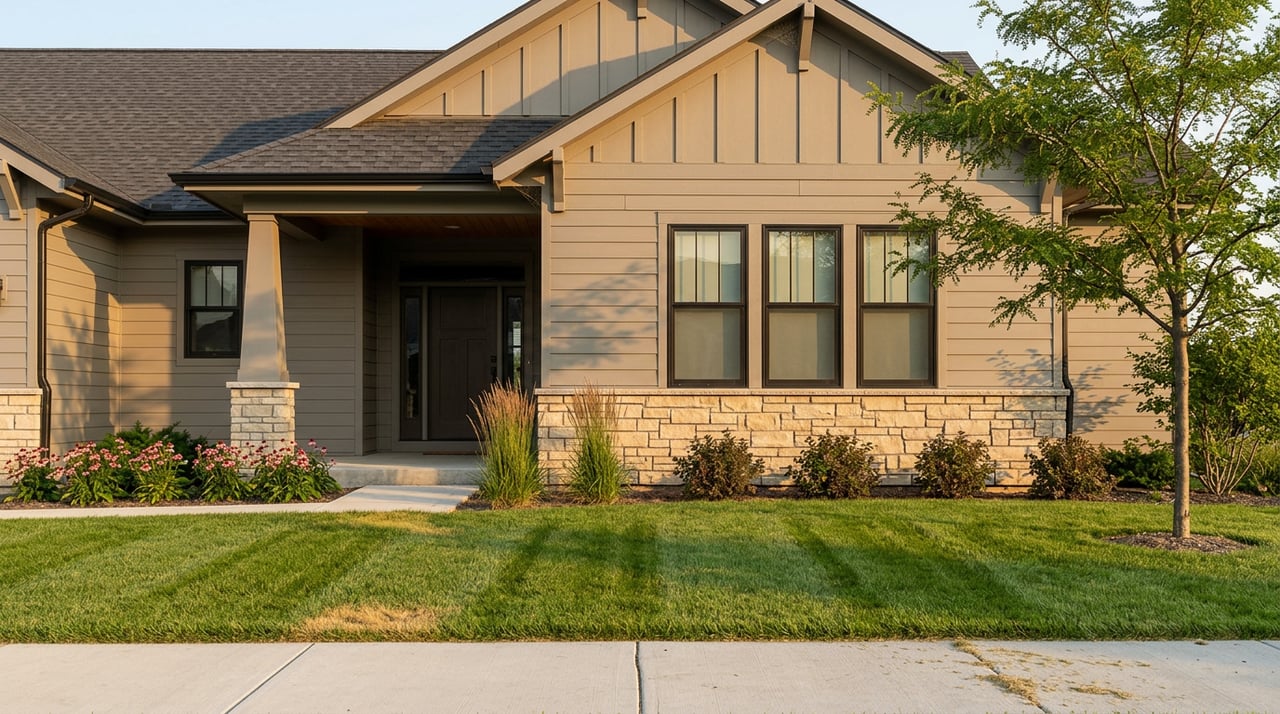
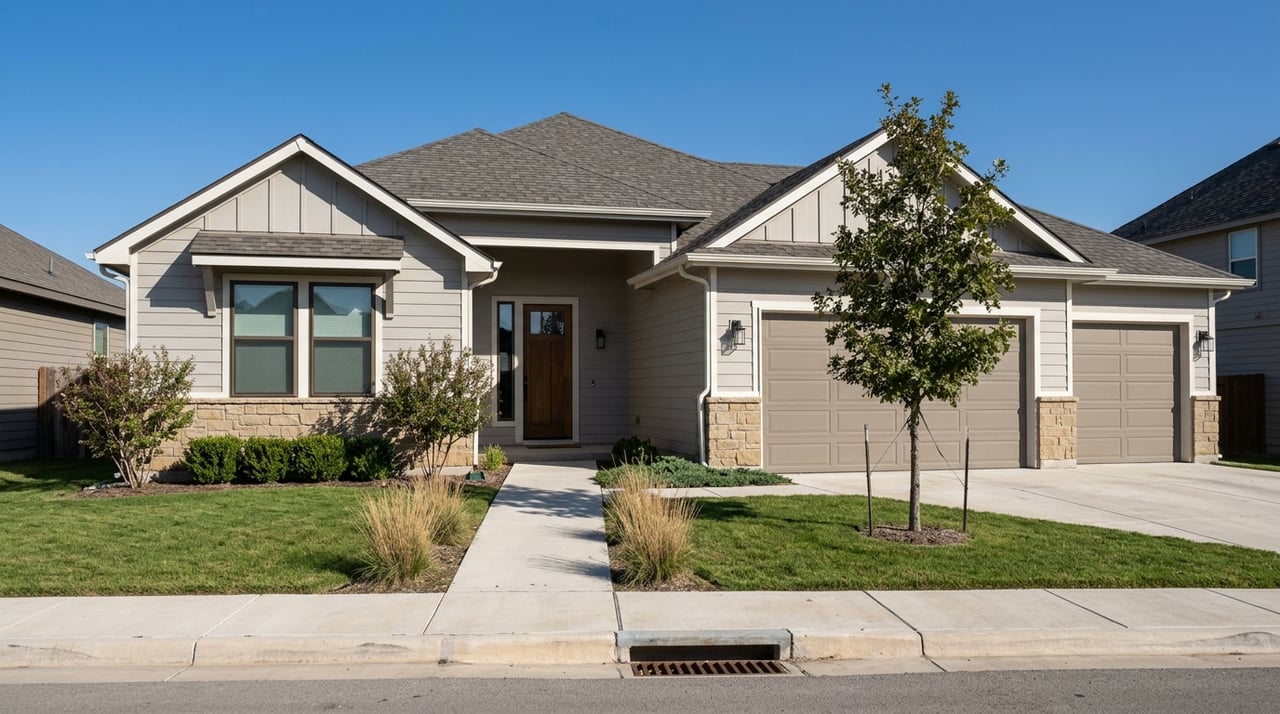
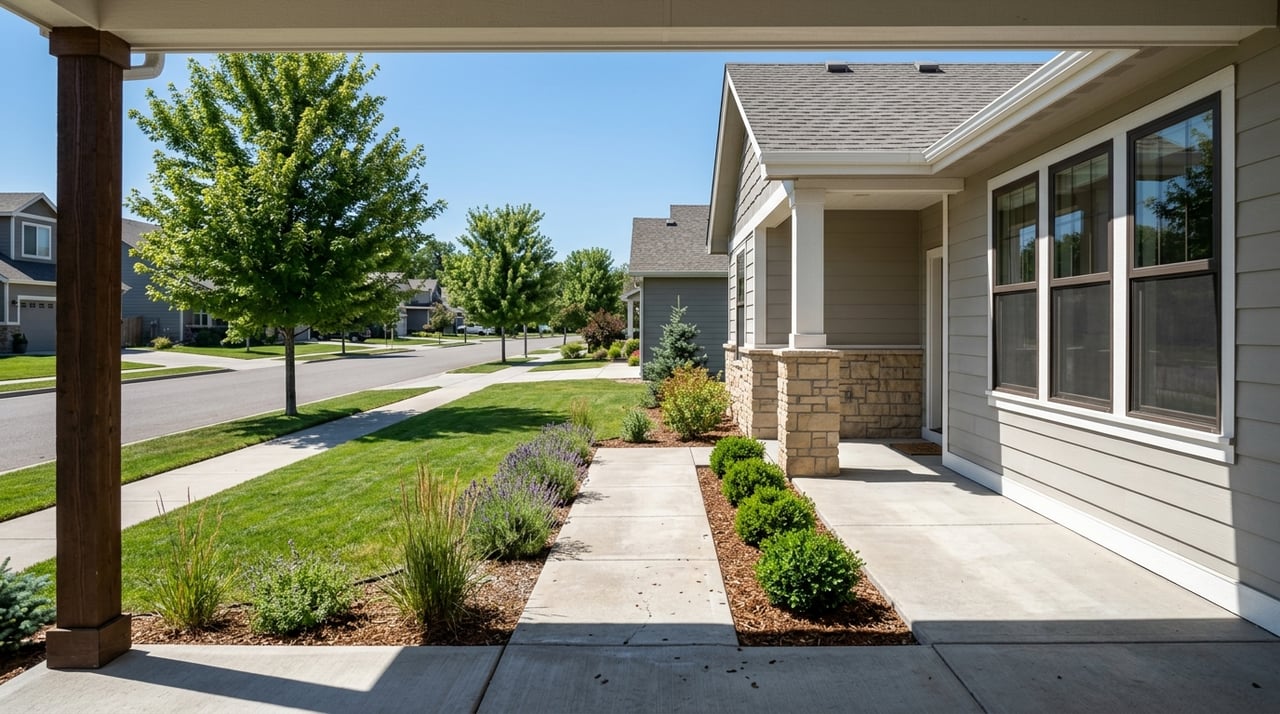
Newer communities in Johnstown tend to appeal to buyers who want a more predictable, planned environment. In areas like Thompson River Ranch, The Overlook at Johnstown Farms, Revere at Johnstown, and Granary, current community descriptions highlight ranch and two-story floor plans, open-concept layouts, and shared neighborhood amenities.
Those amenities can be a major draw if you want more built-in recreation close to home. Depending on the community, you may find parks, trails, pools, clubhouses, disc golf, a recreation center, and even year-round community events. Granary, for example, emphasizes three parks and 4.5 miles of trails.
Newer Design Feels More Consistent
If you like neighborhoods with a more coordinated look, newer developments may feel like a better fit. Johnstown design standards in newer planned areas point to controlled architectural variety, with covenants and guidelines shaping quality, elevations, façades, garages, porches, and open space.
That usually creates a polished, uniform appearance from block to block. For some buyers, that consistency feels easy and low-stress. For others, it can feel a little less individual than older parts of town.
Lot Sizes Can Vary More Than You Think
A lot of buyers assume all new builds come with very small lots, but the reality in Johnstown is more mixed. Current listing examples in planned communities show lots around 2,000 square feet in some Revere homes, about 3,049 square feet in Thompson River Ranch, and over 7,100 square feet in other newer filings.
That said, tighter lots are common in many newer sections, especially compared with rural-edge or older in-town properties. If yard space matters to you, it’s worth checking each filing and each property instead of judging a whole community by one listing.
HOA Costs Are Not One-Size-Fits-All
One of the biggest mistakes buyers make is assuming every master-planned neighborhood has the same fees and rules. In Johnstown, HOA structures vary quite a bit even among newer communities.
Current listings show HOA dues ranging from $0 in some Revere and Granary properties to $50, $99, and $111 per month in other newer filings. The takeaway is simple: always verify the exact home’s dues, rules, and neighborhood setup before you fall in love with the floor plan.
What Established Streets Offer
If newer communities are about predictability, established streets in Johnstown are more about variety and personality. The downtown Parish Avenue area is the town’s historic commercial heart, and local design guidance reflects an effort to preserve historic buildings, support compatible infill, and protect the surrounding residential street character.
For you as a buyer, that can translate into blocks that feel less standardized and more individually shaped over time. Instead of one dominant style, you may see a mix of home ages, lot sizes, garages, porches, and street presence.
Older Areas Often Have More Lot Autonomy
Current in-town examples suggest that established neighborhoods can offer more flexibility from property to property. Examples include a 1926 bungalow on a 6,050 square foot lot, a 1998 ranch on a 0.27-acre lot with no HOA, and a downtown-adjacent lot on Jay Avenue at 10,018 square feet with no restrictive HOA.
Another Johnstown Farms home near downtown also advertises no metro district. While every parcel needs to be confirmed individually, established streets can be a strong option if you care about fewer restrictions and a little more control over how you use your lot.
Character Shows Up in Daily Life
Older Johnstown streets often bring a more traditional neighborhood feel. Town guidance and current listing examples point to features like front porches, decorative fences, alley parking, detached or oversized garages, and larger private-lot use.
That doesn’t mean every older property has all of those features. It does mean you’re more likely to find a street-by-street mix that feels organic rather than master-planned.
The Tradeoff Is Fewer Bundled Amenities
The biggest compromise with established streets is that you usually won’t get the same package of neighborhood amenities that many newer communities promote. You may have more lot autonomy and older character, but you’ll likely rely less on a community pool or clubhouse and more on the broader town itself.
For many buyers, that’s a fair trade. Especially in Johnstown, where town parks and downtown improvements play a growing role in everyday life.
Parks and Trails Matter in Both Choices
No matter which side of Johnstown you prefer, parks are a real part of the lifestyle here. The town says it currently has seven public parks, and its planning efforts continue to emphasize parks, trails, recreation, open space, and transportation improvements.
That matters because your lifestyle is not limited to your subdivision boundary or your block. Even if one neighborhood has more built-in amenities, the larger town park system still helps shape how convenient and active day-to-day life can feel.
Key Public Park Highlights
A few town projects stand out when you think about livability:
- Lake Park offers fishing, picnic shelters with electricity, a playground, restrooms, and a walking path.
- Centennial Park is a 61-acre downtown-area project with an event lawn, shade structures, landscaping, and a splash pad.
- Letford Park is a six-acre neighborhood park planned near Highway 60 with walking loops, natural play areas, and picnic shelters.
If you’re comparing newer and older areas, these public spaces can help narrow the gap. An established street with easy park access may feel more amenity-rich than you expect.
Commute Access Is a Shared Advantage
One of Johnstown’s biggest strengths is location. The town is positioned along I-25, Highway 60, and Highway 34, and downtown is less than four miles from I-25.
Highway 60 also runs east-west through the center of town and uses the I-25 underpass. That road network is one reason both newer communities and older in-town areas can appeal to buyers who want Northern Colorado access without feeling disconnected.
Why This Matters When You Compare Neighborhoods
In some towns, newer developments trade convenience for distance from the core. In Johnstown, that divide can feel less dramatic because so many areas benefit from practical access to major routes.
Newer communities like Thompson River Ranch, The Overlook at Johnstown Farms, Revere at Johnstown, and Granary all emphasize convenient I-25 access. That means your decision may come down more to lifestyle and property preferences than to commute alone.
How To Decide What Fits You Best
The right answer usually comes down to how you want your home and neighborhood to function every day. If you want modern layouts, a more uniform neighborhood appearance, and built-in amenities, newer Johnstown communities may be the stronger match.
If you care more about lot autonomy, older character, downtown proximity, or the possibility of no HOA or no metro district, established streets may feel more like home. Neither option is better across the board. It depends on what you value most.
Questions To Ask Yourself
Before you choose a side, think through these questions:
- Do you want a newer floor plan or more architectural variety?
- How important are pools, trails, clubhouses, or organized neighborhood features?
- Do you want more yard flexibility or a more managed community feel?
- Are HOA dues or rules a key concern for you?
- Would you rather be closer to the historic downtown grid or in a newer planned area?
These answers can save you time and help you focus on the homes that actually fit your lifestyle.
Why Property-Level Review Matters
Johnstown’s neighborhoods have clear patterns, but they are still not all the same. Current listings show enough variation that it’s risky to assume one home will match another just because they share a neighborhood name.
That’s especially true for HOA dues, covenant details, lot size, and metro district status. If you’re serious about buying in Johnstown, the best move is to evaluate the specific property, not just the general label of “new build” or “established area.”
If you’re weighing newer communities against older streets in Johnstown, a local perspective can make the choice a lot clearer. Robert Crow can help you compare neighborhoods, narrow down what fits your priorities, and build a smart plan for your move.
FAQs
What is the difference between new builds and established streets in Johnstown?
- Newer Johnstown communities usually offer more planned amenities, more consistent design standards, and modern floor plans, while established streets usually offer more variation, older character, and greater lot autonomy.
Do new build neighborhoods in Johnstown always have HOA fees?
- No. Current listing examples show some newer Johnstown properties with no HOA dues, while others show monthly dues of $50, $99, or $111, so each property should be verified individually.
Are lot sizes smaller in new Johnstown communities?
- Often, yes, but not always. Current examples in newer communities range from around 2,000 square feet to over 7,100 square feet depending on the filing and product.
Do established Johnstown neighborhoods have more flexible property use?
- They can. Current in-town examples include properties with no HOA and no restrictive HOA, which may offer more lot autonomy than some master-planned areas.
Is downtown Johnstown close to I-25?
- Yes. The town states that downtown Johnstown is less than four miles from I-25, which supports convenient regional access.
Do older Johnstown streets have community amenities like pools and clubhouses?
- Usually not in the same bundled way as newer master-planned communities, but the town’s public parks, trails, and downtown reinvestment projects add broader recreational options.